In a transaction that significantly alters the landscape of the nascent advanced air mobility sector, Archer Aviation has reached an agreement to acquire its former legal adversary, Wisk Aero, from Boeing. The deal, disclosed in a recent regulatory filing, marks a dramatic final chapter in the volatile relationship between the two electric vertical takeoff and landing (eVTOL) developers. Under the terms of the transaction, Boeing will hand over Wisk Aero, alongside two other aerospace subsidiaries, in exchange for a substantial minority equity position in Archer. This consolidation unites two of the most prominent pioneers in electric aviation, signaling a major shift in how the industry approaches the commercialization of next-generation aircraft.
Financial Mechanics and Subsidiary Integration
The transaction structure relies on an equity-for-asset swap rather than a cash buyout. According to regulatory disclosures, Boeing is set to receive newly issued Archer shares equivalent to 19.75% of Archer's outstanding common stock immediately prior to the closing of the deal. Once the transaction is finalized, this exchange will translate to an approximate 16.5% ownership stake in Archer for the aerospace giant.
In addition to Wisk Aero, the acquisition package includes two other critical subsidiaries from Boeing’s portfolio: SkyGrid and Insitu. SkyGrid specializes in digital airspace management and unmanned traffic management software, which is widely considered essential for coordinating future fleets of autonomous and piloted air taxis in crowded metropolitan skies. Insitu, an established manufacturer of unmanned aerial vehicles (UAVs), brings decades of experience in defense-grade drone technology and long-endurance flight systems.
By absorbing these three entities, Archer is not merely acquiring aircraft designs; it is integrating an entire ecosystem of software, drone hardware, and autonomous flight engineering. Industry analysts view this as a strategic move by Archer to position itself as a vertically integrated aerospace firm capable of addressing both civilian passenger transit and specialized government operations.
From Bitter Litigation to Strategic Alliance
The acquisition represents a remarkable turn of events for two companies that, only a few years ago, were locked in a fierce, high-stakes legal battle. The animosity dates back to April 2021, when Wisk filed a federal lawsuit accusing Archer of systemic intellectual property theft and the misappropriation of trade secrets. Wisk alleged that former employees who migrated to Archer had brought sensitive engineering designs with them, jump-starting Archer's early aircraft development.
Archer vehemently denied the allegations and fired back with a massive countersuit, seeking $1 billion in damages and accusing Wisk of anti-competitive behavior. The legal war of attrition dragged on for more than two years, draining financial resources and threatening to stall progress for both enterprises at a time when venture capital for capital-intensive hardware startups was beginning to tighten globally.
The breakthrough came in the summer of 2023, when the two companies announced a surprise settlement. Instead of proceeding to trial, they agreed to dismiss all claims against one another and pivot toward collaboration. Under that agreement, Archer designated Wisk as its exclusive supplier of autonomous flight technology. Wisk was also granted options to purchase up to 13.1 million shares of Archer common stock at a nominal price of $0.01 per share. This initial truce laid the groundwork for the deeper integration finalized in the current acquisition, transforming a bitter rivalry into a corporate union.
The Historical Evolution of Wisk Aero
To understand the significance of Wisk Aero’s acquisition, one must trace its origins back to the early days of the Silicon Valley electric aviation boom. Wisk began its life under the umbrella of Kittyhawk, an ambitious electric aviation startup led by Sebastian Thrun—famed co-founder of Google’s experimental "X" laboratory—and heavily funded by Google co-founder Larry Page. Kittyhawk spent years developing various experimental concepts, including the single-seat "Flyer" and the highly confidential, ultra-quiet "Heaviside" aircraft.
While Kittyhawk ultimately shut down operations in September 2022, its most promising endeavor, the "Cora" program, survived. Cora was a two-passenger, fully autonomous eVTOL taxi designed to bypass traditional runways. Recognizing its commercial potential, Boeing partnered with Kittyhawk in late 2019 to spin the Cora program off into a dedicated joint venture, which was subsequently rebranded as Wisk Aero.
Boeing’s commitment to Wisk grew progressively larger over the years. In early 2022, the aerospace giant injected $450 million of capital into the joint venture to accelerate the development of Wisk's sixth-generation autonomous air taxi. By 2023, Boeing had acquired the remaining shares of the company, making Wisk a wholly-owned subsidiary. The transition of Wisk from Boeing to Archer represents a pivot in Boeing's direct involvement in the day-to-day development of eVTOL airframe manufacturing, choosing instead to act as a major shareholder and strategic partner to a consolidated market leader.
Archer’s Diversification and Market Trajectory
Since its founding in 2018, California-based Archer Aviation has pursued an aggressive growth strategy. While initially focused on creating localized urban air mobility networks for civilian passengers, the company has recently diversified its target markets to mitigate regulatory and commercial risks.
A key pillar of this strategy has been Archer's expansion into the defense and national security sectors. In late 2024, Archer launched its dedicated "Archer Defense" division, supported by a successful $430 million funding round. This defense-focused push was further bolstered in 2025 with an additional $300 million raised from prominent institutional backers, including BlackRock and Wellington Management. To strengthen its defense offerings, Archer entered into an exclusive partnership with defense technology firm Anduril to co-develop a hybrid gas-and-electric vertical takeoff and landing aircraft designed for tactical military missions.
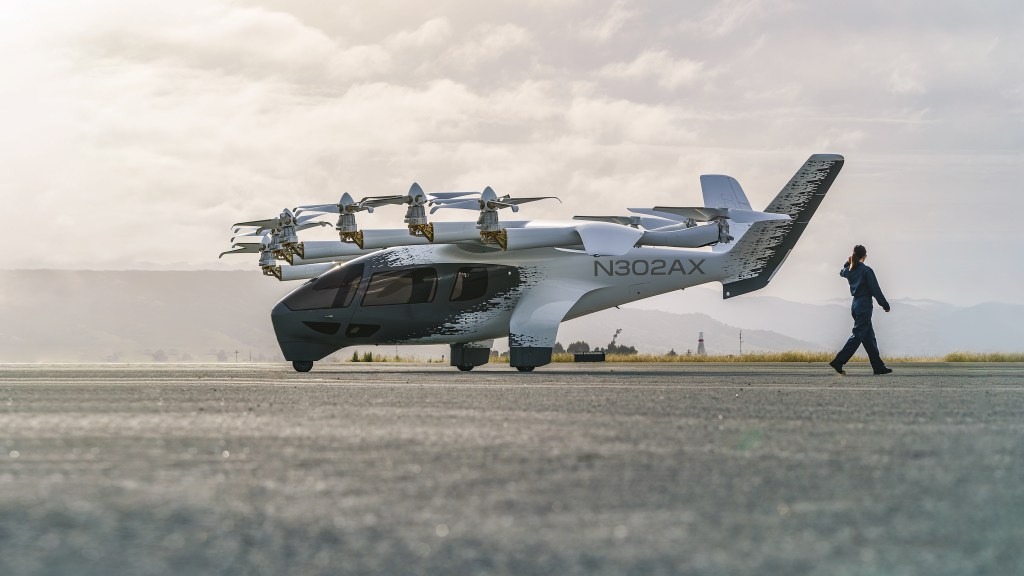
Simultaneously, Archer has kept its primary commercial asset, the all-electric "Midnight" aircraft, on track for certification. The company, which went public via a special purpose acquisition company (SPAC) merger in 2021, recently achieved a major operational milestone by executing a piloted round-trip test flight between Salinas Municipal Airport and Monterey Regional Airport. This flight serves as a crucial step toward Archer's goal of launching commercial operations under the federal government's eVTOL Integration Pilot Program, an initiative supported by the White House to safely integrate electric aircraft into the national airspace.
The Economics of the eVTOL Consolidation Era
The consolidation of Wisk, SkyGrid, and Insitu under Archer reflects a broader structural reality facing the advanced air mobility industry: the high cost of pioneering new aviation paradigms. Developing, certifying, and manufacturing aircraft from scratch requires billions of dollars in capital, and the timeline to regulatory approval by agencies like the Federal Aviation Administration (FAA) is notoriously long and unpredictable.
By consolidating assets, Archer and Boeing are pooling resources to reduce redundant engineering efforts. For Boeing, trading direct ownership of Wisk for a stake in Archer allows the legacy aerospace giant to maintain exposure to the high-upside eVTOL market while offloading the heavy operational expenditures associated with testing and certification. For Archer, the acquisition brings immediate access to Wisk's extensive autonomous flight IP, SkyGrid's software infrastructure, and Insitu's established military-grade manufacturing capabilities.
This transaction may signal the beginning of a broader consolidation wave in the eVTOL sector. As early-stage capital becomes scarcer, smaller developers may find it increasingly difficult to survive independently, leaving the field to a select few well-capitalized players backed by legacy aerospace champions. The success of this newly combined entity will ultimately depend on how effectively Archer can integrate these diverse technologies and navigate the complex path to FAA certification.